
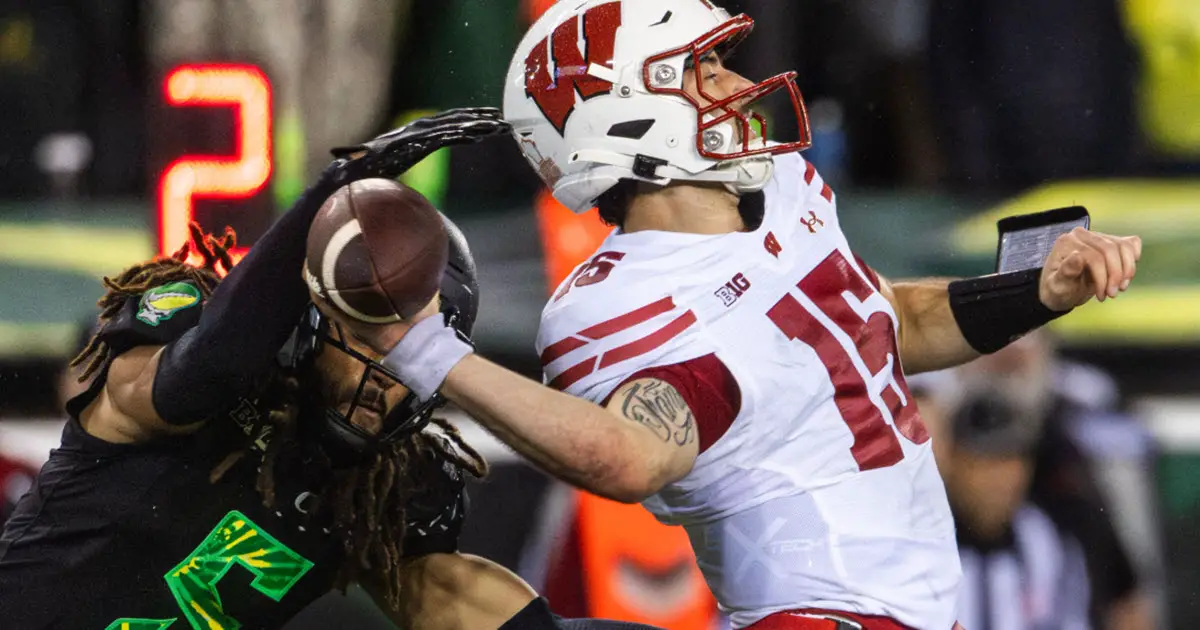
A football game is a sequence of collisions, but also a sequence of choices. A quarterback commits to a throw before he knows the window will hold. A coordinator decides whether to accept a light box or chase explosives. Analytics helps teams name those choices and price their risks.
The Numbers Moved into the Huddle
Front offices now talk about efficiency the way they once talked about toughness. Teams value plays that keep drives alive and avoid the negative snap that ends a series. Passing remains the engine, but quick-game throws can be as valuable as deep shots when they control down-and-distance. Defenses answer with two-high safety looks that protect against the explosive play and dare offenses to stay patient.
Players feel this in how they are judged. Patrick Mahomes is praised not only for highlights but for how he manages downs, avoids sacks, and keeps the ball out of danger.
Tracking Made Space Measurable
The modern analyst is not limited to box scores. The NFL’s tracking system records player location, speed, distance, and acceleration many times per second, and the league builds advanced metrics from those signals. With that detail, a route becomes timing and separation, not just a line on paper.
This changes how defense is described. A corner can be credited for forcing a tight-window attempt even when the pass is caught. A pass rush can be evaluated by how fast it arrives, not only by sacks, which often depend on game script.
EPA: A Better Summary than Yardage
Traditional stats reward volume. Expected Points Added (EPA) asks whether a play increased or decreased an offense’s expected points given down, distance, and field position. The same gain can be “good” or “wasted” depending on the situation.
EPA also clarifies tactics. An offense can look dull and still be efficient if it avoids sacks, penalties, and lost-yardage runs. A defense can concede completions and still win a drive if those completions do not move the expected-points needle.
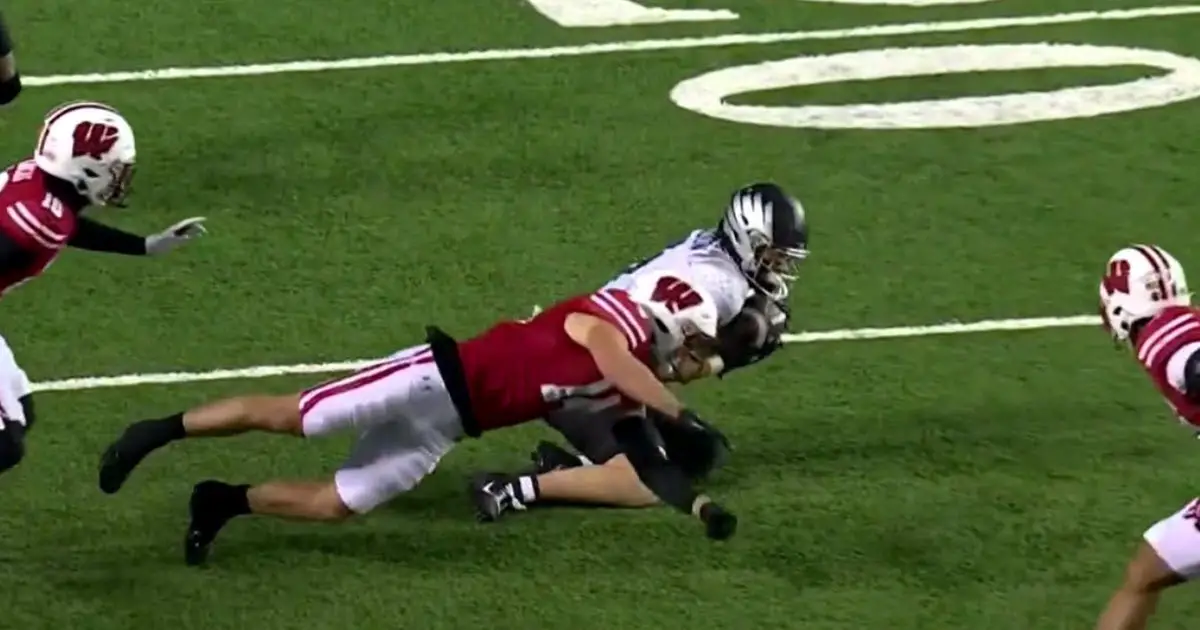
A clutch fourth down caught by Terrance Ferguson vs. Wisconsin in 2024. (Screenshot from NBC Sports Video)
Fourth down became a Decision, not a Superstition
Fourth-down models compare the win probability of punting, kicking, or going for it, given field position, time, and score. Coaches still weigh injuries and the feel of their line, but the old default no longer looks automatic.
This changes play-calling. If a team expects to go for it near midfield, third down can be called with the next snap in mind. Defenses adjust too, because the offense’s willingness to stay on the field changes how risky a blitz can be.
Forecasting is Where the Trouble Begins
People want analytics to be prophecy. Betting markets want it most because the score is a settlement. Many fans who follow soccer betting in Ethiopia recognize the same pattern when they switch to the NFL: a model can be right for fifty-seven minutes and still lose its dignity on one broken tackle. Sports betting talk tends to flatten a game into a single number, but football is built from nested uncertainties: injury risk, officiating variance, weather, and the small chaos of an oval ball.
The 2025 season ended with a clean reminder. Seattle beat New England 29-13 in Super Bowl LX, and it swung late when a defensive play rewrote the fourth quarter. If you had predicted the winner early, you could still have been wrong about the path. Forecasting should stay humble, because football’s most important moments are often the least repeatable.
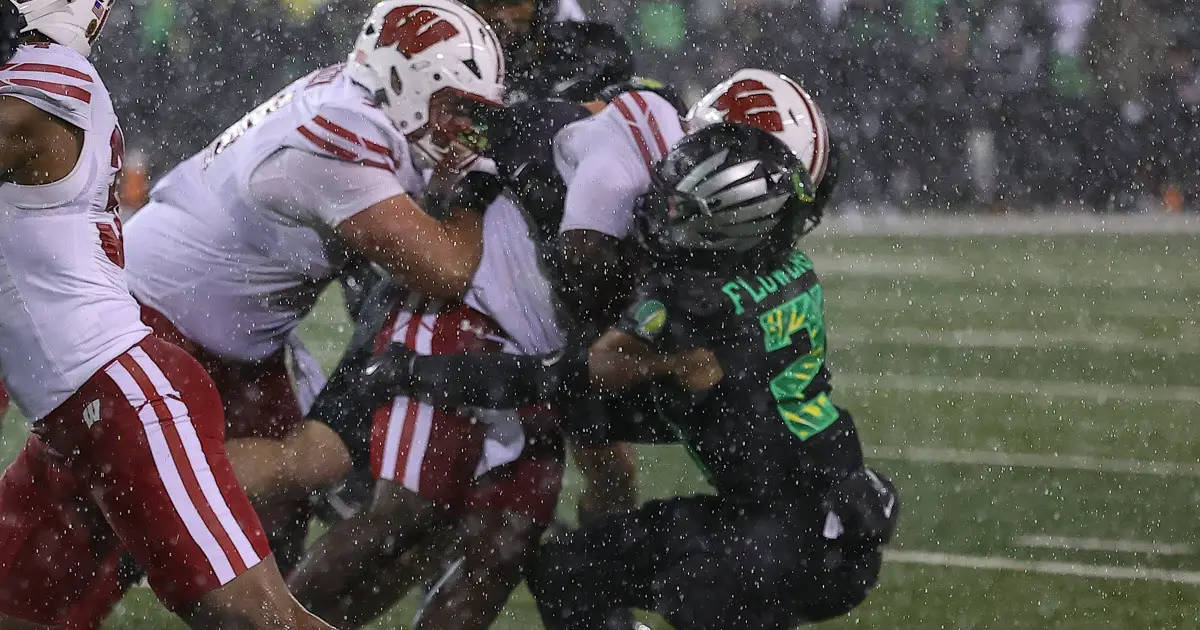
Making decisions with analytics is tougher with other variables…such as weather. (Photo by Gary Breedlove)
A Bettor’s Checklist that Respects Chaos
Use analytics without pretending it is certainty. Start with pressure and protection, because most passing plans collapse when a quarterback cannot set his feet. Then look at explosive plays allowed, since one breakdown can erase a day of good defense. Add red-zone efficiency last, because small-sample touchdowns can mislead.
Sports betting becomes sharper when it is tied to matchups instead of mood, and MelBet is one of many places people use to translate those matchup reads into a stake. The discipline is the same whether you are reading a full Sunday slate or one prime-time game: look for repeatable edges, not single-game miracles. A run-heavy offense facing a front built to stop the run is not a motivation problem; it is a structural problem. When your bet is built on structure, you can lose and still know you were thinking clearly.
The Part that the Spreadsheet Can’t Hold
Even the best models have blind spots. They struggle with how pain changes mechanics or how fear changes a play sheet. They struggle with crowd noise slowing communication, turning a clean protection call into a late one.
Analytics is still worth doing. It keeps teams honest about what actually happened, not what they wanted to happen. But football remains a game of bruises and timing, and of a ball that does not bounce the way a sphere does. The numbers help you see the field more clearly. They do not remove the dark.
OregonReigns
Lakeside, Oregon
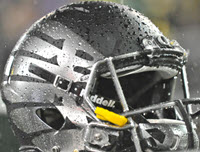
Top Photo by Max Unkrich
Share your thoughts about this team in the only free, “polite and respectful” Oregon Sports message board, the Our Beloved Ducks forum!
Related Articles:
Will Ducks QB Akili Smith Jr. Find Opening in a Crowded Room?
College Football - It's Past Time to Fix the Calendar
The Fair Catch Kick: A Bizarre Rule Change for Lanning to Exploit?
How the Big-10 Football Schedule Can Become Fair
Oregon’s Most Iconic Games in Ducks Football History
Will a 24-Team Playoff Field Ruin College Football?
OregonReigns is an occasional contributor to FishDuck and loves his Ducks!