
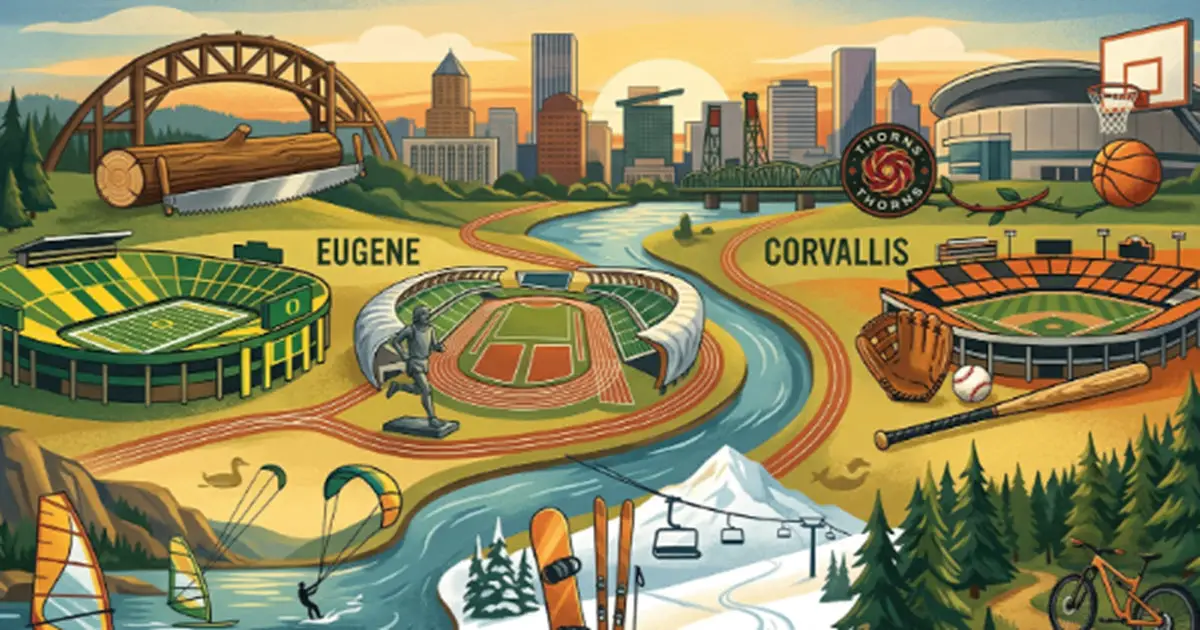
The Foundation of Collegiate Rivalries
The heart of Oregon’s athletic identity beats strongest on university campuses. For decades, the rivalry between the University of Oregon in Eugene and Oregon State University in Corvallis has defined the local sports environment. This competition, often referred to as the “Civil War” historically, represents more than just a game; it is a yearly gathering of families, alumni, and students who split their loyalties between the green and yellow of the Ducks and the orange and black of the Beavers.
What makes this collegiate scene unique is the architectural and cultural significance of the venues. Autzen Stadium is famous for being one of the loudest stadiums in the country despite its relatively modest seating capacity. The design traps sound, creating an intimidating atmosphere for visiting teams. On the other side, Reser Stadium provides a more intimate but equally fierce setting where the “Beaver Nation” shows their resilience.
These programs are not just about football; they include elite gymnastics, baseball, and softball teams that consistently compete for national titles, cementing the state’s reputation as a powerhouse in collegiate athletics.
Professional Loyalty in the Pacific Northwest
While college sports provide the historical bedrock, Portland serves as the hub for professional sports, characterized by an almost fanatical level of loyalty. The Portland Trail Blazers remain the crown jewel of the city’s professional scene. Since joining the NBA, the Blazers have cultivated a relationship with the city that is rare in professional leagues. “Rip City” is not just a catchphrase; it is a collective identity. Fans here are known for sticking with their team through rebuilding phases, showing a level of patience and dedication that is often discussed in national sports media.
Soccer has also seen an unprecedented rise in popularity within the state. The Portland Timbers and Portland Thorns have turned Providence Park into a cathedral of North American soccer. The “Timbers Army” and the “Rose City Riveters” provide a match-day experience that rivals European and South American atmospheres.
The tradition of the “Victory Log,” where a slab is cut from a giant fir tree after every goal, connects the sport to the state’s timber industry heritage. This connection to local history is a recurring theme across all Oregon sports, where the past is always present in current celebrations.
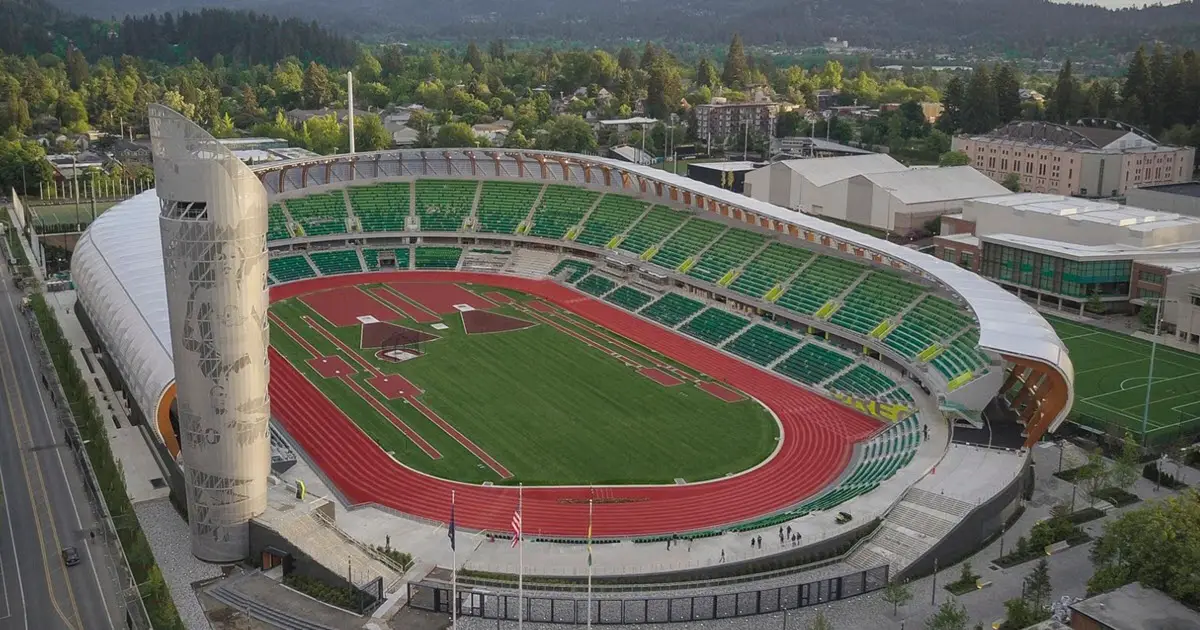
Hayward field will be the pride of USA track assets in the nation.
TrackTown USA and the Olympic Legacy
No discussion of Oregon sports is complete without mentioning Eugene’s status as “TrackTown USA.” The legacy of legendary coach Bill Bowerman and the iconic runner Steve Prefontaine is etched into the very soil of Hayward Field. This venue has hosted numerous Olympic Trials and World Championships, drawing the best athletes from across the globe to the Willamette Valley.
The community’s involvement in track and field goes beyond spectating. Oregon has a high participation rate in amateur running and marathons. The obsession with “the miles” is a cultural trait, fostered by the state’s diverse geography. From the damp, misty trails of the Cascades to the high desert paths in Bend, Oregonians are conditioned to be active. This creates a knowledgeable fan base that appreciates the nuances of a tactical 1500-meter race just as much as a high-scoring basketball game.
New Ways to Engage with Competitive Entertainment
As the ways people consume sports continue to change, the Oregon community has shown a willingness to embrace diverse forms of entertainment. While the physical action on the field remains the primary draw, many fans find that their interest in strategy and timing extends into their digital habits. This is particularly evident during the off-season or in the long breaks between tournament rounds.
For many, the appeal of sports lies in the balance between risk and reward, or the ability to make a quick decision under pressure. In these moments of downtime, some fans choose to Play Aviamasters as a way to engage with a different kind of competitive system. This type of interactive experience mirrors the tension of a live game—waiting for the right moment to act and testing one’s instincts.
It provides a brief, focused burst of entertainment that fits into the busy schedules of people who are used to following multiple teams and seasons simultaneously. These digital pastimes serve as a supplement to the broader sports culture, offering a mental challenge that satisfies the same competitive urge as watching a last-minute drive down the field.
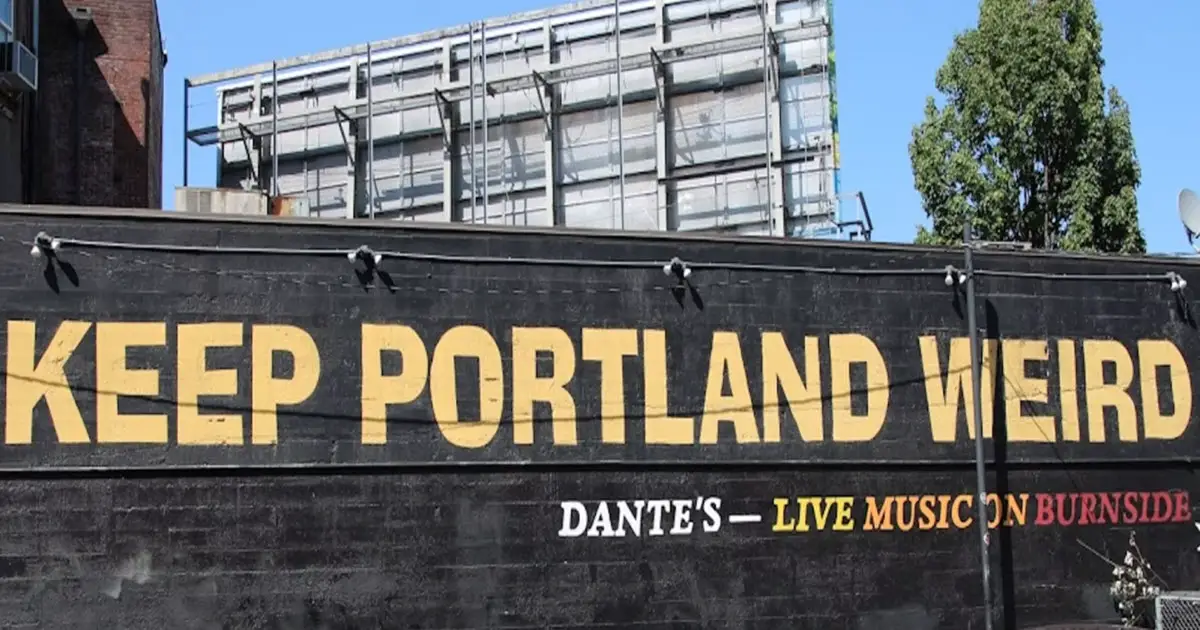
Portland is Weird! (Photo by Janne Simoes)
The Outdoor Connection and Extreme Sports
Oregon’s terrain serves as a natural stadium for those who prefer individual challenges over team sports. The state is a global destination for windsurfing and kiteboarding, particularly in the Columbia River Gorge. The high winds and heavy currents of the Hood River area attract professionals and enthusiasts who treat the river with the same reverence a golfer treats Augusta.
In the winter, the focus shifts to the mountains. Mount Hood, Mount Bachelor, and the Anthony Lakes area provide some of the most varied skiing and snowboarding terrain in North America. Unlike the more commercialized resorts in other states, Oregon’s ski culture maintains a rugged, “do-it-yourself” attitude. This spirit of independence is a hallmark of the local sports community. Whether it’s mountain biking in the high desert or surfing the cold breaks of the Pacific Coast, the emphasis is always on the relationship between the athlete and the elements.
The Economic and Social Impact of Sports
Beyond the entertainment value, sports are a significant economic driver for the state. The presence of global sportswear giants like Nike and Columbia Sportswear, both headquartered in the Portland area, creates a unique ecosystem where sports business and athletic performance are intertwined. This proximity to the industry means that Oregonians are often the first to see new technologies and apparel, further deepening their connection to the athletic world.
Socially, sports serve as a unifying force in a state that can be geographically and politically diverse. A Ducks hat or a Timbers scarf serves as a universal sign of belonging, bridging the gap between urban centers and rural communities. High school sports, too, play a vital role, especially in smaller towns where the Friday night football game or the Tuesday night wrestling match is the primary social event of the week.
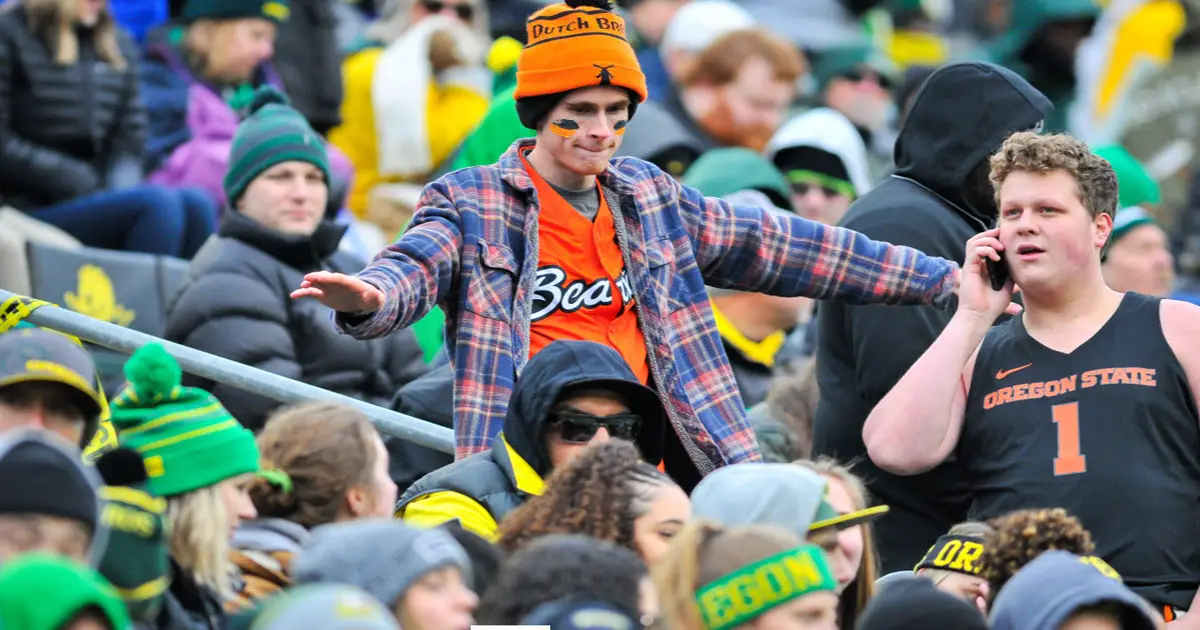
Fans on both sides have learned to live together… (Photo by Kevin Cline)
A Community Defined by Resilience
If there is one word to describe the Oregon sports community, it is resilience. Whether it is the Blazers navigating a tough playoff series, a runner pushing through the final lap at Hayward Field, or a fan standing in the rain at a soccer match, there is a shared pride in enduring the elements and the odds. This resilience is what keeps the stadiums full and the conversations around sports vibrant throughout the year.
The future of sports in the state looks to be one of steady growth and continued diversification. As new sports gain traction and digital platforms offer new ways to interact with competitive concepts, the core values of the Oregon fan remain the same: a deep respect for history, a passion for the local team, and a constant desire for the thrill of the contest.
OregonReigns
Lakeside, Oregon
Top Photo created by ADS PROJECTS GROUP LTD
Related Articles:
OregonReigns is an occasional contributor to FishDuck and loves his Ducks!