
Watch the first few plays of any NFL game, and it feels straightforward: a pass, a run, a tackle. But stay with it for a few drives, and something else starts to show up. Players shift before the snap. Defenders hesitate. A play that looked routine suddenly breaks open.
That’s where the game gets interesting. Not in the obvious moments, but in the small decisions that stack up over time.
The Strategic Foundation of NFL Football
What shows up on Sunday often starts earlier in the week, in film sessions and data reports. Teams spend a lot of time looking at patterns that don’t always stand out during a live broadcast.
Instead of focusing only on totals, they narrow in on moments when games tend to shift third downs, red-zone trips, or how a defense reacts to certain formations. A closer look at how the NFL uses analytics shows how teams build around these details. The emphasis is often on tendencies and decision-making rather than raw production.
That approach carries into weekly preparation. If a defense struggles to adjust to motion, offenses are likely to test it repeatedly. If pressure affects a quarterback’s timing, defenses will look for ways to create it. From the outside, some of these choices can feel repetitive. In reality, they are usually tied to something specific that showed up in the data earlier in the week.
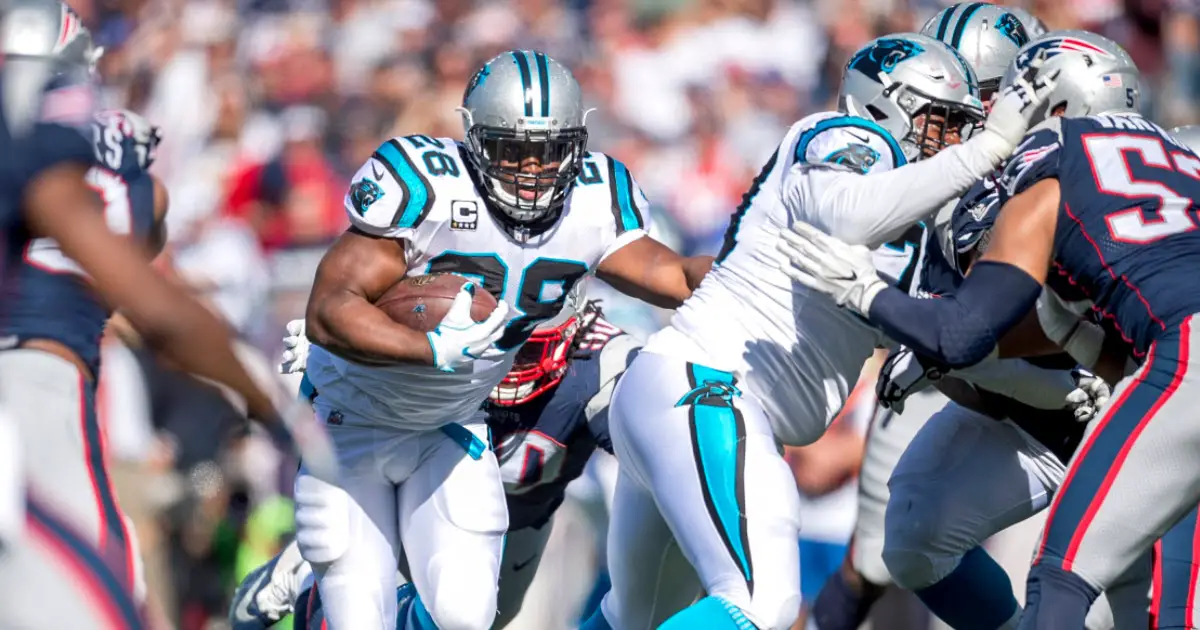
Jonathan Stewart played a long career for Carolina.
The Growing Role of Analytics in Game Planning
What shows up on Sunday often starts earlier in the week, in film sessions and data reports. Teams don’t just look at totals anymore. They focus on specific situations where games tend to swing, such as:
- Third-down performance
- Red zone efficiency
- Yards gained from certain formations
- Defensive reactions to play-action
- These details shape the plan. If a defense struggles with motion, you’ll see more of it. If a quarterback slows down under pressure, expect more blitz looks.
As a viewer, I can see why certain plays keep coming back. They’re not repeated by chance; they’re targeting something.
Context Changes Everything
Stats can tell part of the story, but they rarely explain everything on their own.
A big passing game might come against a secondary missing key players. A quiet rushing day might follow an early deficit that forced a team to throw.
Other factors matter just as much:
- Injuries
- Weather conditions
- Travel and short rest
- Game flow
You can see it during windy games. Deep throws hang a bit longer. Timing feels just slightly off. Those small changes add up.
When you factor in context, results start to make more sense.
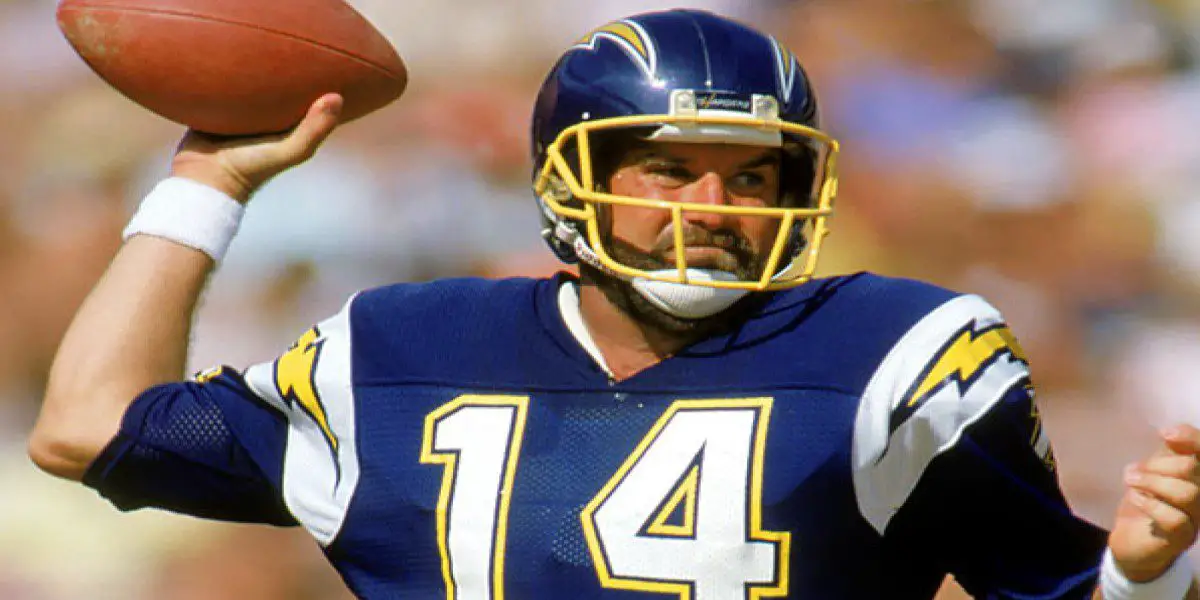
Dan Fouts became an NFL hall of famer playing for the San Diego Chargers. (Screenshot from Charger History Video)
How Analytical Thinking Extends to Fan Engagement
For many viewers, there’s a point where watching shifts. You stop reacting to plays and start noticing patterns.
That usually comes from paying attention to things like:
- Past performance
- Player availability
- Matchups
- Situational trends
Some informational resources that explain how to bet on NFL lay out these same ideas in a structured way, focusing on how different variables come together. The focus stays on probability. Not certainty, just a clearer picture of what’s more likely.
The Evolution of NFL Strategy
The league doesn’t stand still for long. What works one season often gets challenged the next.
In recent years, a few shifts stand out:
- Defenders who can cover and tackle in space
- More motion before the snap
- Schemes built around mobile quarterbacks
- Defenses disguise coverages better now. Offenses respond by creating movement and misdirection.
It’s a constant adjustment. Each side reacts to the other, week after week.
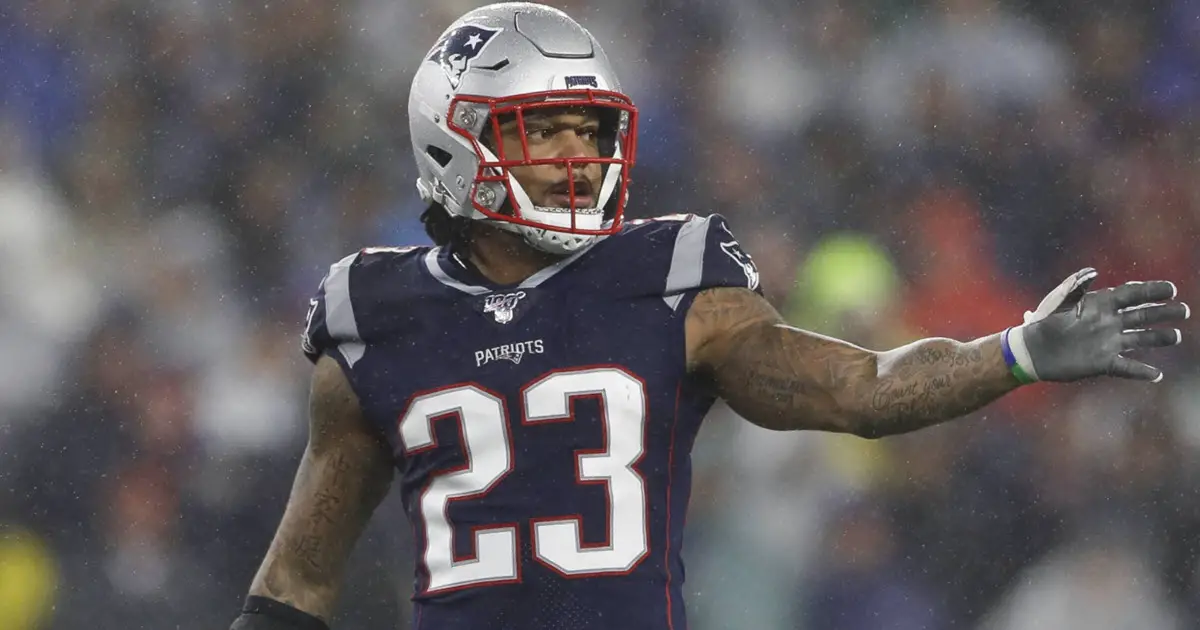
Patrick Chung has been in SO MANY Super Bowls! (Courtesy of Patriots “X” Account)
Watching the Game Through a Different Lens
Once you start noticing these layers, the game feels different almost right away.
Instead of tracking the ball alone, your focus drifts just before the snap. You notice how a defense lines up, how responsibilities shift between defenders in certain coverages, like in concepts such as the two-fer defense, and where the pressure could come from.
Small plays start to stand out more. A short gain can show how well a play was designed. A breakdown often comes down to one missed assignment or a late reaction.
It adds another level to every drive without changing how the game is played, just how it’s seen.
Conclusion
What happens on the field comes from a mix of planning, adjustment, and context.
When you start to see those pieces together, the game slows down a bit. Decisions feel more connected. Outcomes feel less surprising.
Each play becomes part of something larger, a system that keeps shifting, where small details often make the biggest difference.
You start to catch things before they happen, the slight shift in information, the hint of pressure building. It doesn’t turn the game into something different, but it makes each moment feel more connected, like you’re seeing the same field through a clearer lens.
OregonReigns
Lakeside, Oregon
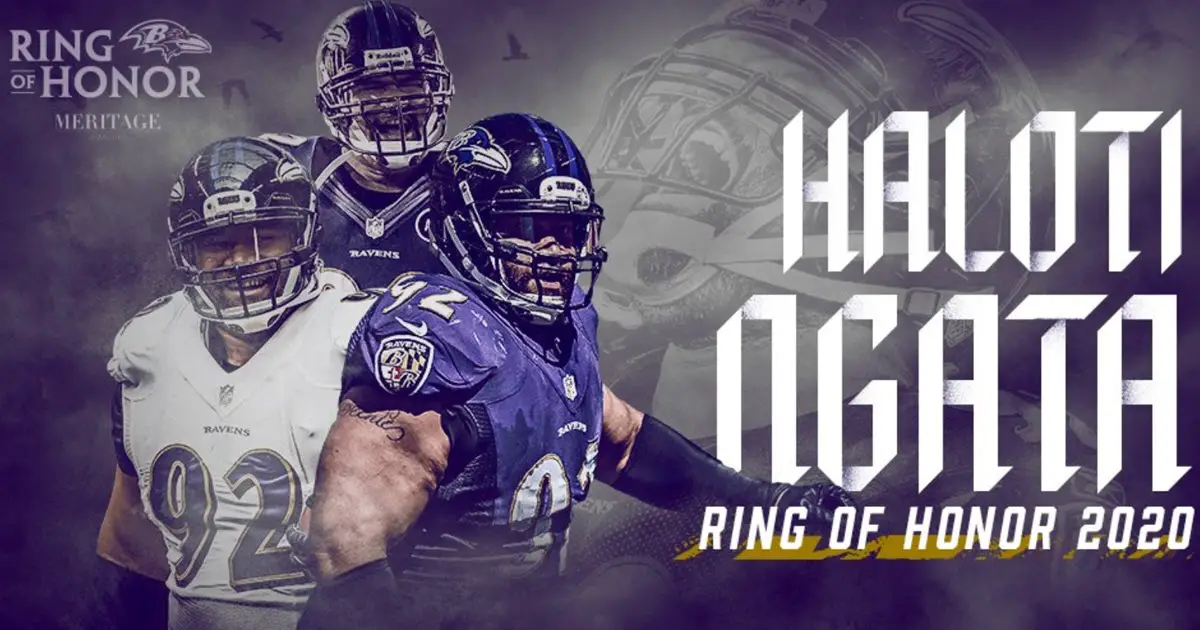
Top Photo Courtesy of Ravens “X” Account

OregonReigns is an occasional contributor to FishDuck and loves his Ducks!