Talent evaluation separates winning programs like Oregon from the rest. Scouts spend countless hours breaking down film and studying high school and portal players, as they look at physical tools, game stats, and how players think. The best evaluators use proven methods that go beyond flashy highlight reels.
Sports coverage from multiple sources helps Duck recruiting analysts compare players. Sites like thsport show how different leagues develop talent in unique ways, as good talent analysis needs a clear system. You must look at physical skills, technique, mental processing, and game context. This guide shows you the methods that pros like those at Oregon use every day.
Physical Attributes and Measurables
Body measurements create the starting point for any evaluation. Height, weight, arm length, and hand size all matter. A cornerback needs different tools than an offensive lineman, for example, and valuators compare these numbers to position averages. This tells them if a player even has the right body to compete to an elite program in the Power-4 conferences.
Speed and Explosiveness Testing
Speed tests give you hard numbers to work with. The 40-yard dash measures how fast someone runs straight ahead, while the 20-yard shuttle tests quick changes of direction. These drills show if athletic ability translates to real game speed.
Jumping tests reveal lower body power. The vertical jump shows explosive strength going up, and the broad jump measures forward explosion. Both numbers help predict how players move during actual plays.
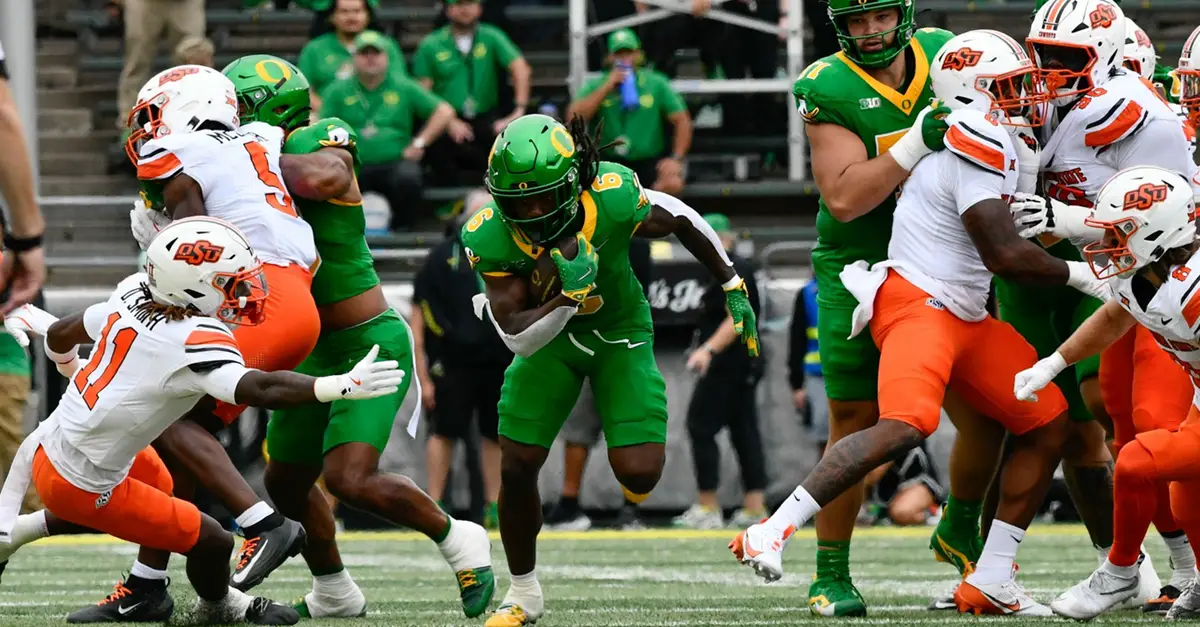
Noah Whittington runs for a touchdown on the second play of the game with the offensive line making a massive hole. (Photo By: Scott Kelley)
Strength and Body Control
Raw strength matters across all positions. Bench press reps show upper body power and stamina, while position drills test functional strength during football movements. Evaluators also check injury records, and body fat percentage. Players need to stay healthy to provide real value when they come to Eugene.
Film Study and Technique Analysis
Game tape shows what combine numbers cannot measure, as the analysis pros watch multiple games against different opponents. They track consistent patterns instead of one-time plays. A receiver with perfect routes, but bad hands differs from one with messy footwork who catches everything.
How to Break Down Film
Good film study requires organization, and analysts make cut-ups of specific situations, such as third-down plays, red zone attempts, and tough matchups. Watching each play several times at different speeds catches small details, and taking notes creates reference points for comparing different prospects.
Position-Specific Technique Markers
Each position demands its own skill checklist. Here are some key technique points evaluators track:
- Offensive linemen need proper hand placement and quick feet
- Defensive backs require smooth hips and fast recovery speed
- Quarterbacks must show clean arm angles and solid footwork
- Pass rushers need hand moves and bend around the edge
- Running backs should display vision and contact balance
Evaluators for Oregon watch these points frame by frame, as technical skills often predict success better than raw athleticism. Players with great technique usually improve faster than those relying on physical gifts alone.
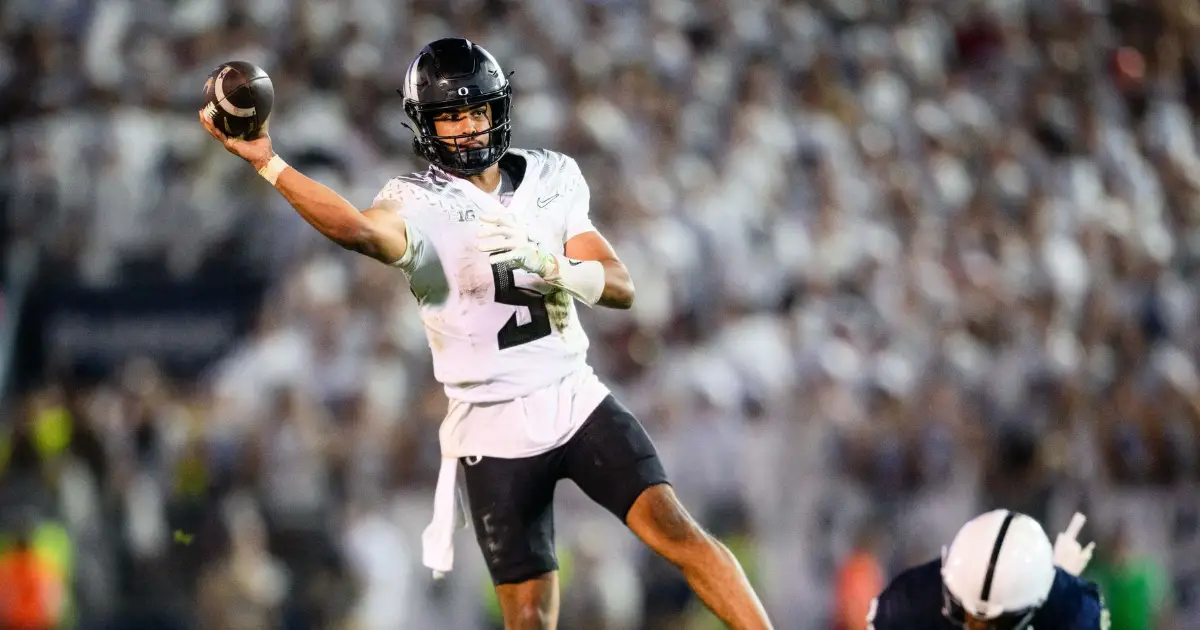
Dante Moore made some huge plays vs Penn State. (Photo via FishDuck Football Pictures)
Mental Processing and Football IQ
Football smarts separate good players from elite ones. Pre-snap reads show how fast players process formations, and recruiting analysts will watch for guys who adjust based on down and distance. These recognition skills predict success more than pure speed. Research from the NCAA shows mental processing links directly to on-field performance.
Decision Making Under Pressure
Players make split-second choices during live action, and these decisions determine if plays succeed or fail. Evaluators track how often prospects make correct reads, and they also watch for players who take smart risks versus those who panic. Learning speed across a season shows who adapts quickly.
Leadership and Communication
Good communication appears clearly on film, as for example, quarterbacks direct pass protections before the snap. Linebackers adjust coverage calls based on offensive looks. Defensive linemen signal stunt adjustments to teammates. All of these show high football intelligence, and naturally the leaders make everyone around them better.
Statistical Context and Production Analysis
Raw numbers never tell the complete story. A running back with five yards per carry needs context. Was he running behind an elite line? Evaluators adjust stats based on supporting talent and competition level. Context matters more than volume stats alone.
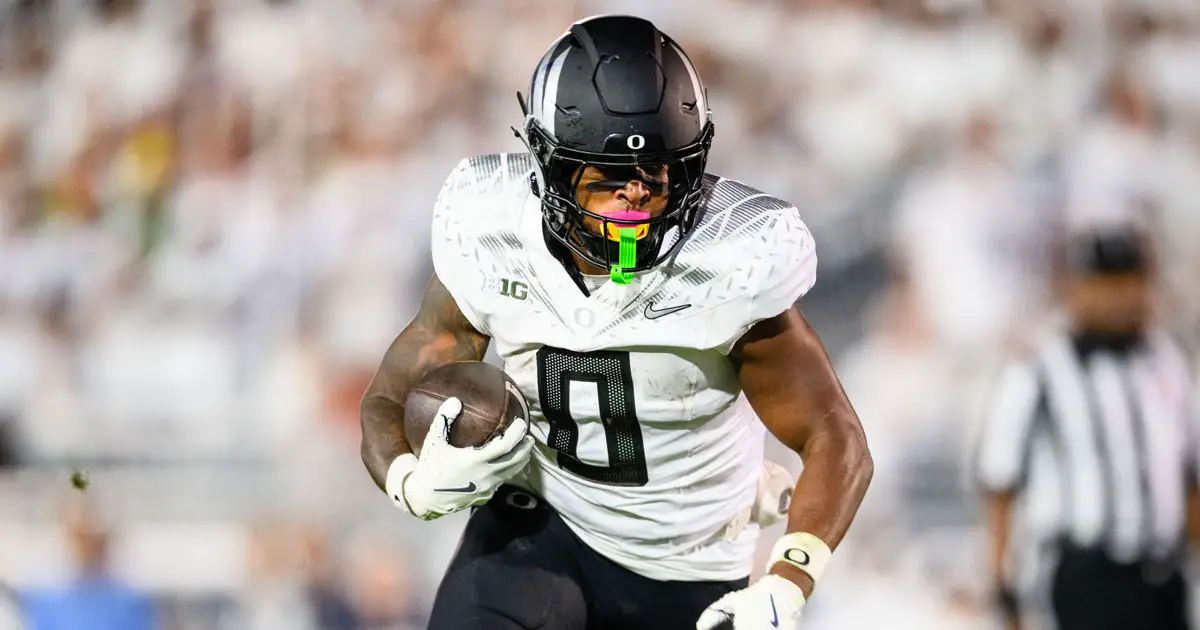
Jordon Davison was a great evaluation success as a freshman. (Photo from FishDuck Football Pictures)
Efficiency Metrics That Matter
Smart evaluators focus on efficiency over volume. Here are the metrics that reveal true value:
- Yards per route run for receivers
- Pressure rate percentage for pass rushers
- Completion rate when targeted for defensive backs
- Yards after contact for running backs
- Third-down conversion rate for offensive players
These numbers show how productive players are per opportunity. Efficiency metrics reveal who makes the most of their touches.
Tracking Development Over Time
Comparing freshman stats to senior production shows growth. Players who improve each year demonstrate work ethic, while stagnant numbers might indicate a skill ceiling. Studies from MIT Sloan Sports Analytics confirm that development trends help project future potential better than single-season stats.
System Fit and Competition Level
Scheme compatibility determines if players translate successfully. For example, a spread quarterback might struggle in pro-style systems. Different schemes require different progressions and timing windows, thus smart evaluators project how skills fit within their specific system needs.
Competition level affects confidence in evaluations. Beating up weak opponents means less than solid play against ranked teams, and the evaluation pros weight games differently based on opponent quality. Players who perform in big games show mental toughness.
Position flexibility adds roster value, as guys who play multiple roles provide depth and options. Evaluators note which prospects have transferable skills, and this versatility often separates draft picks from practice squad players.
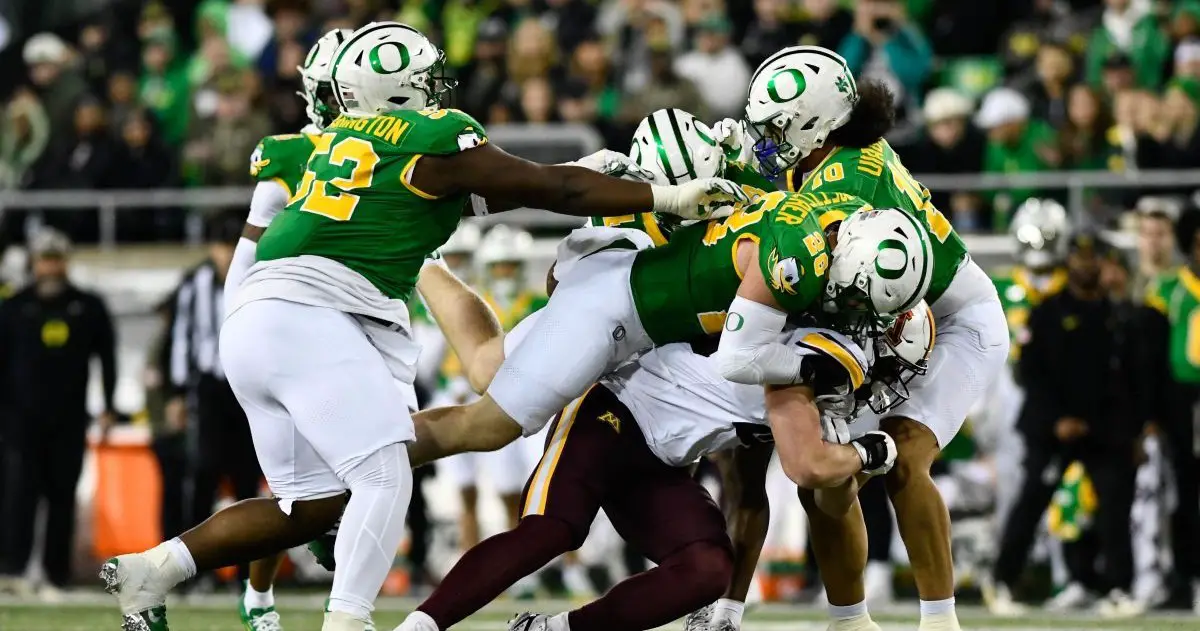
Ducks have improved talent on defense during the Dan Lanning era. (Photo by Scott Kelley)
Building Your Evaluation Skills
Start watching more film with focused attention. Pick one position, and study technical details across several games; take notes on what separates effective players from average ones. Build your own checklist based on repeated patterns.
Track your predictions, and check them later. Guess which college players will succeed as pros? Review your assessments after a few years, as learning from wrong predictions improves your eye faster than anything else.
Combine multiple sources into complete player profiles. Physical measurements, film study, stats, and context all matter, and the best evaluators blend these elements into honest assessments. This systematic approach takes practice, but produces better talent identification.
Quite bit of time and analysis goes into who Oregon offers a scholarship or NIL contract to, and it is helpful to get a short glimpse into so many of the factors that comprises such a difficult evaluation process by the staff at University of Oregon football.
OregonReigns
Lakeside, Oregon
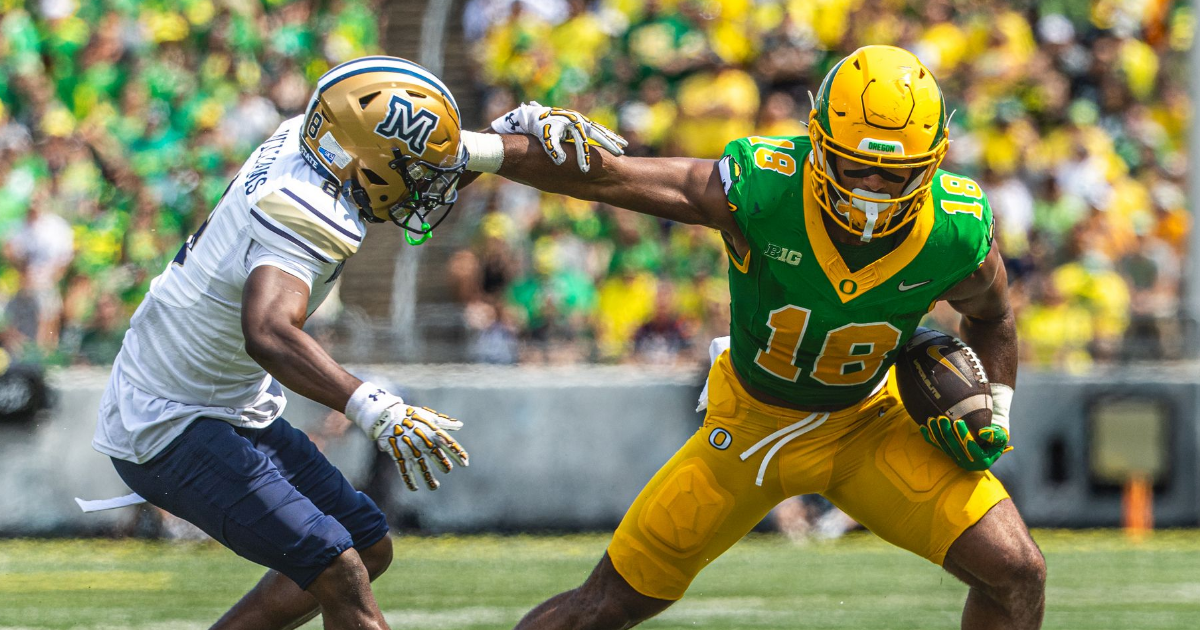
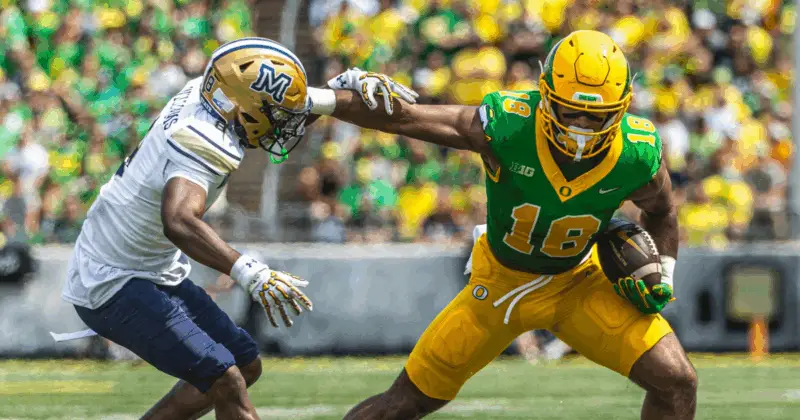
Top Photo by Scott Kelley
OregonReigns is an occasional contributor to FishDuck and loves his Ducks!